


Skip to Content

Bringing electrical panel manufacturing 
to Africa

Africa’s rapid growth in construction, energy, and manufacturing is driving demand for electrical panels. Yet local assembly remains slower and more complex than in Europe - this article explores the supply chain and logistical challenges behind the gap.

Dependency on Imported Components

Electrical panels consist of numerous specialized components:

.


Circuit breakers​

 Protect electrical circuits by interrupting overloads or faults.


Contactors​

Switch electrical power circuits on and off.


Relays & Busbars

Control with low-power signals & distribute electrical power within panel.


Control units (PLCs)

Automate processes through programmable logic.


Enclosures

Provide housing and protection for components.


Wiring accessories

Connect, organize, and secure electrical wiring.

Europe Delivers Panels Faster

In Europe, manufacturers have direct access to suppliers, local stocks, and authorized distributors, often receiving parts within days. Most of these parts are not manufactured locally in Africa and must be imported from Europe, China, or the U.S. This leads to:


Extended lead times

It can take 6–10 weeks just to receive key components..


Fragmented deliveries

Parts often arrive in separate shipments, causing assembly delays.


High freight and customs costs

Import duties and port fees drive up both cost and time.

Logistical Complexity and Delays

Importing electrical components into many African countries involves:

Complex documentation requirements

Extensive paperwork slows down the import process. 

In some African markets, panel builders can lose 2–3 weeks clearing parts if paperwork is incomplete, whereas in Europe, the Schengen logistics zone and EU common market allow goods to move with minimal documentation.

Inconsistent customs regulations

Different rules create uncertainty and delays.

Varying rules between African countries create uncertainty and delays, while European manufacturers benefit from standardized procedures and predictable timelines.

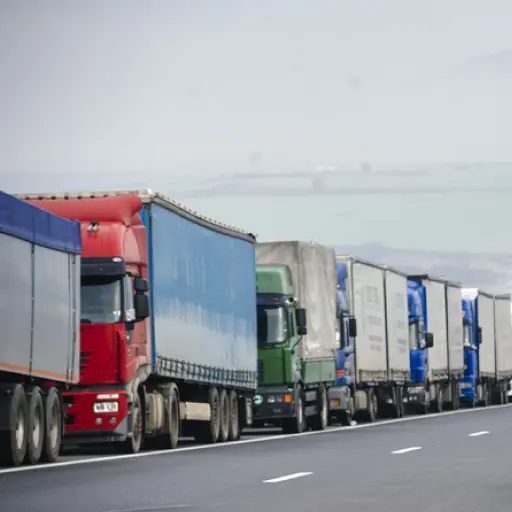
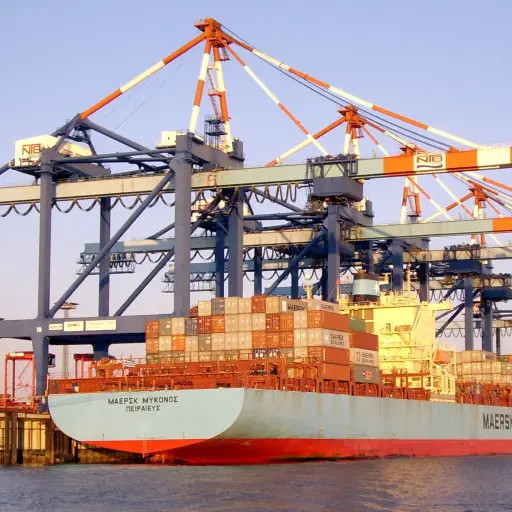
Physical inspections and delays at ports

Goods are often held up during manual checks.

Ports in Africa often require manual checks that hold shipments for weeks, compared to Europe where shipping between countries typically takes only hours or days.

Occasional “informal” charges to clear goods

Extra unofficial fees may be required for clearance.

Bribes or unofficial fees are sometimes expected in African ports, further extending delays, whereas European supply chains face far fewer such obstacles.

What Needs to Change for Faster Panel Assembly in Africa

Partnerships with OEMs and a stronger local ecosystem will be key to reducing dependency and accelerating panel assembly across Africa.


  • Local production
    Manufacture key components such as enclosures, busbars, and cable trays within Africa.
  • Stronger supply networks
    Build regional suppliers and standardized component stocks.


  • Simplified logistics
    Streamline customs with digital tracking to cut delays.
  • Skilled workforce
    Invest in training certified panel builders and QA teams to meet global standards.

Why Europe Delivers Panels Faster

In contrast, Africa’s growing ecosystem still faces shortages of certified engineers and modern facilities, leading to slower assembly, longer testing cycles, and delays in project delivery.

Comprehensive support

Easy access to CAD tools, testing facilities, and certified installers speeds up every stage of production.

Reliable supply chain

Abundant local suppliers provide wiring, terminal blocks, labeling, and more without delays.

Skilled workforce

Certified technicians, trained in IEC and UL standards, ensure panels meet global requirements.

Culture of quality

A strong focus on testing and compliance reduces rework, accelerates commissioning, and guarantees reliability.


Facts that speak for themselves

Accelerating Africa’s panel assembly requires local manufacturing, streamlined logistics, stronger supply networks, and skilled technicians supported by OEM partnerships.

Limited Local Manufacturing Ecosystems

Panel assembly requires more than parts, it demands tools, wire preparation equipment, test benches, skilled technicians, and reliable quality assurance processes.

In Europe, these are standard features in most facilities. Panel shops use digital twin design tools, automated cutting and crimping machines, and standardized testing protocols. Many African panel builders still rely on manual processes, inconsistent testing methods, and outsourced copper fabrication or powder coating all of which slow the workflow.

Additionally, when specialized parts (like surge protection devices or certain control relays) are missing, it can take weeks to re-order and receive them.

Speed-to-Market: Europe vs. Africa Panel Timelines

These time differences are critical. Delays in panel delivery can stall entire installations, leading to cost overruns or missed deadlines. Assembling an electrical panel in Africa can take 3 to 7 times longer than in Europe, primarily due to upstream supply chain issues.

Stage

Europe

Africa

Parts sourcing

3–5 days

4–6 weeks

Assembly

3–7 days

2–3 weeks

Testing & QA

1–2 days

3–5 days

Total Time

7–14 days

7–10 weeks

Conclusion: Africa Needs Local Ecosystems, Not Just Importers.

The demand for localized electrical panel assembly in Africa is real and growing. Governments and private companies are investing in capacity building, with some success stories in countries like South Africa, Kenya, and Nigeria.

Africa has the market, talent, and ambition to be a competitive player in electrical panel assembly. However, until its supply chain infrastructure catches up, assembling electrical panels in Europe will continue to be not only faster, but also often cheaper and more reliable, despite the geographic distance.

Speed matters in infrastructure and construction, and today, Africa’s biggest bottleneck isn’t a lack of skills, but rather the supply chain.

👉 Contact us today to discuss your upcoming project and discover how we can save you time, money, and stress. 

📩 info@automatingafrica.com


Together, let’s power Africa’s future—with the strength of Europe behind it.